1. 기본 분류 및 명칭
- 국문명: 테이블 산호 (또는 판상 산호)
- 영문명: Table Coral
- 학명: 주로 Acropora 속 (예: Acropora hyacinthus)
- 크기: 직경 수십 센티미터에서 최대 수 미터까지 성장
2. 생태적 특징: “바닷속의 태양광 패널”
- 평평한 구조: 빛을 최대한 많이 받기 위해 위로 높게 자라기보다 옆으로 넓게 퍼지는 구조를 가졌습니다. 이는 산호 내부에 공생하는 조류(Zooxanthellae)가 광합성을 효율적으로 할 수 있게 돕습니다.
- 성장의 마법: 수많은 작은 산호 폴립들이 모여 석회질 골격을 만들며 성장합니다. 테이블 산호는 다른 산호들에 비해 비교적 빠르게 자라는 편입니다.
- 서식지: 전 세계 열대 해역의 얕은 수심, 특히 햇빛이 잘 드는 산호초 외곽이나 상단에 주로 분포합니다.
3. 알면 알수록 신기한 사실 (Deep Dive)
- 생태계의 아파트: 테이블 산호의 넓은 판 아래는 강한 햇빛과 포식자를 피하려는 작은 물고기(자리돔, 나비고기 등)들의 완벽한 은신처가 됩니다.
- 바다의 기상 기록자: 산호의 골격에는 나무의 나이테처럼 성장 기록이 남습니다. 과학자들은 이를 통해 수백 년 전의 바다 온도와 환경 변화를 연구합니다.
- 백화 현상의 피해: 수온이 급격히 오르면 공생 조류가 떠나면서 하얗게 변하는 ‘백화 현상’에 매우 취약한 종입니다.
4. 관찰 가이드 (Data Table)
| 항목 | 상세 내용 |
| 에너지원 | 공생 조류의 광합성(약 90%), 플랑크톤 섭식 |
| 성장 속도 | 1년에 약 5cm ~ 10cm (환경에 따라 다름) |
| 주요 위협 | 지구 온난화, 산호 파괴적인 어업, 인간의 직접적인 접촉 |
5. ⚠️ 다이버 안전 및 에티켓 (Diver’s Alert)
- 절대 터치 금지: 테이블 산호는 보기보다 매우 약합니다. 손으로 살짝 짚거나 오리발로 스치기만 해도 수십 년간 자란 가지가 쉽게 부러질 수 있습니다.
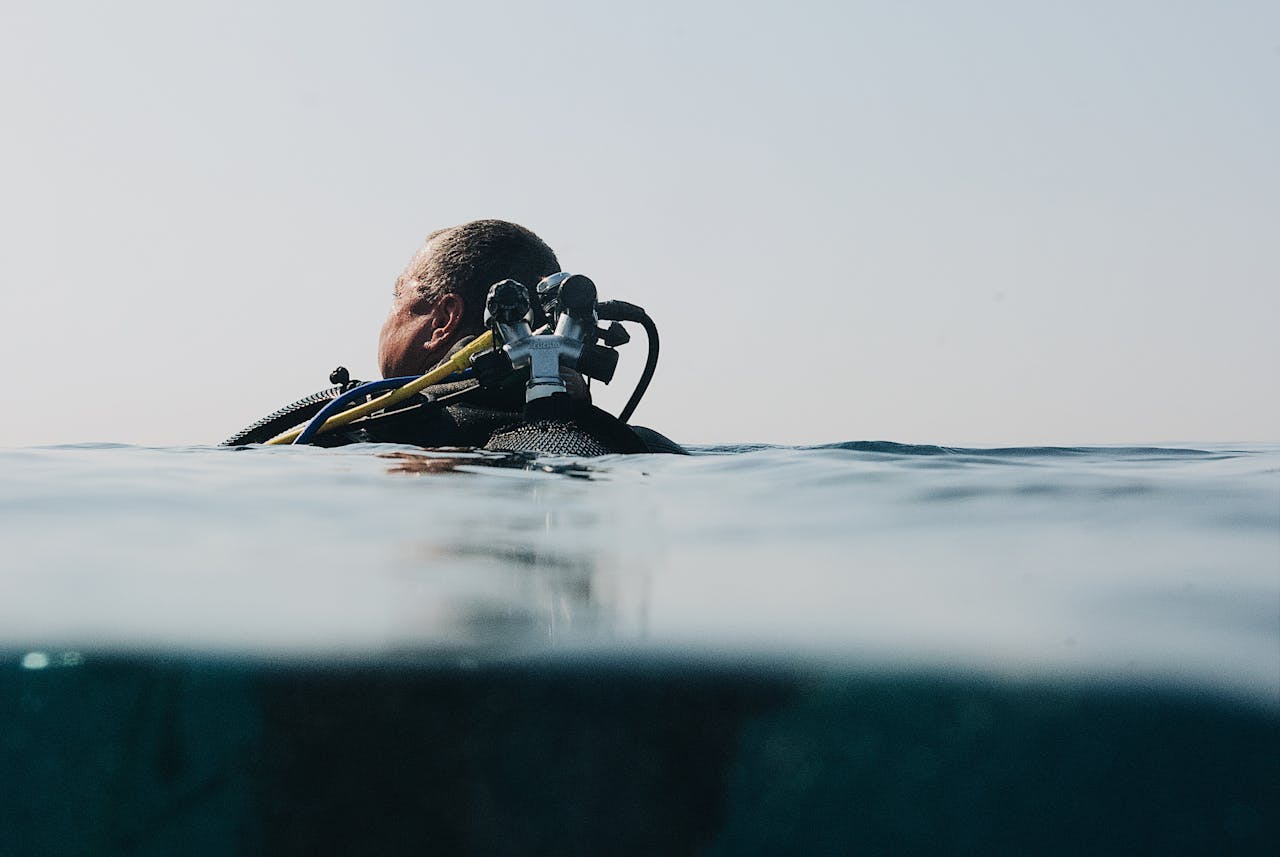
- 중성 부력의 중요성: 사진을 찍기 위해 산호 가까이 다가갈 때는 완벽한 중성 부력을 유지하세요. 몸이 아래로 처져 산호를 짓누르지 않도록 항상 수심과 자세를 확인해야 합니다.
- 거품(Bubble) 주의: 산호 바로 아래에서 오랫동안 머물며 공기 방울을 내뿜지 마세요. 갇힌 공기 방울이 산호 폴립에 지속적인 자극을 주거나 광합성을 방해할 수 있습니다.
6. 보존 메시지
“테이블 산호 한 그루는 수천 마리 해양 생물의 집입니다. 우리가 무심코 짚은 손가락 하나가 이 거대한 아파트를 무너뜨릴 수 있습니다. 눈으로만 감상하고 마음으로만 간직하는 성숙한 다이빙 문화를 함께 만들어가요.”
🇺🇸 [Encyclopedia No. 18] Table Coral: The Ocean’s Grand Canopy
1. Classification & Name
- Common Name: Table Coral
- Scientific Name: Mostly genus Acropora (e.g., Acropora hyacinthus)
- Size: Ranges from several dozen centimeters to several meters in diameter.
2. Ecological Features: “The Underwater Solar Panel”
- Flat Structure: Instead of growing vertically, they spread horizontally to maximize surface area. This allows the symbiotic algae (zooxanthellae) within the coral to photosynthesize more efficiently.
- Architects of the Reef: Built by thousands of tiny coral polyps secreting calcium carbonate skeletons, table corals are relatively fast-growing compared to other coral types.
- Habitat: Found in shallow tropical waters worldwide, particularly on upper reef slopes where sunlight is abundant.
3. Deep Dive: Fascinating Facts
- Marine Apartment Complex: The wide, flat canopy provides a perfect sanctuary for small fish, such as damselfish and butterflyfish, seeking shelter from predators and harsh sunlight.
- Environmental Historians: Like tree rings, coral skeletons store chemical records of the past. Scientists study these to reconstruct ocean temperatures and environmental conditions from centuries ago.
- Sensitivity to Heat: Table corals are among the most susceptible to “coral bleaching,” a process where they expel their symbiotic algae due to rising water temperatures, turning bone-white.
4. Observation Guide (Data Table)
| Item | Details |
| Energy Source | Photosynthesis (90%), Filter feeding on plankton |
| Growth Rate | Approximately 5cm to 10cm per year |
| Main Threats | Global warming, destructive fishing, direct human contact |
5. ⚠️ Diver’s Alert (Safety & Etiquette)
- Never Touch: Table corals are incredibly fragile. A slight push or a careless kick with a fin can snap branches that took decades to grow.
- Master Your Buoyancy: When approaching for a photo, maintain perfect neutral buoyancy. Ensure no part of your body or gear touches or rests on the coral’s delicate surface.
- Mind Your Bubbles: Avoid staying directly under a table coral for long periods. Trapped air bubbles can stress the polyps and interfere with their ability to feed and photosynthesize.
6. Conservation Message
“A single table coral serves as a home for thousands of marine creatures. A single careless touch can destroy this massive ‘apartment.’ Let’s practice mature diving by observing with our eyes and preserving with our hearts.”