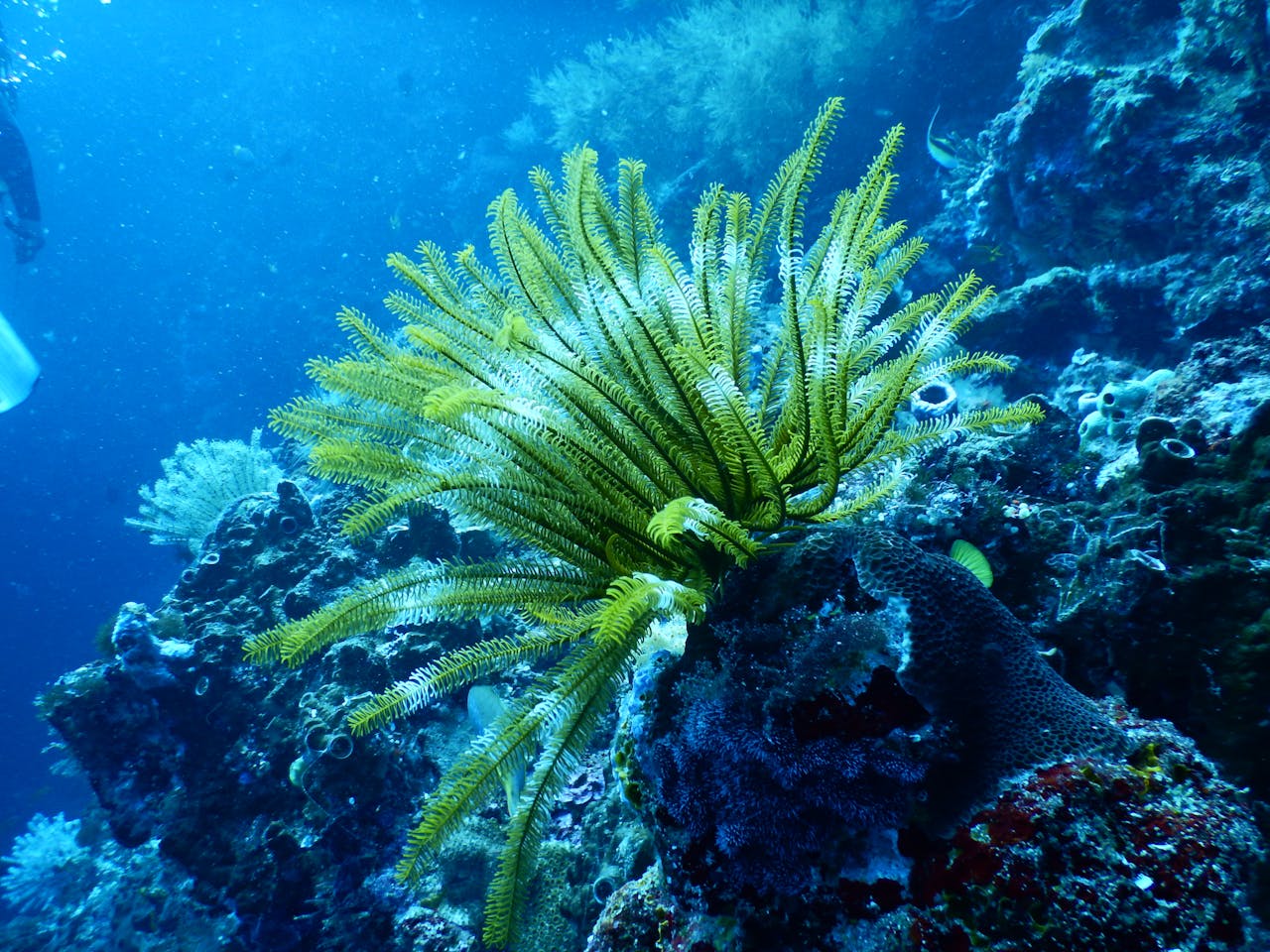
1. 기본 분류 및 명칭
- 국문명: 해파리
- 영문명: Jellyfish (또는 Sea Jelly)
- 학명: Scyphozoa (해파리강) 등 다양한 분류군 존재
- 크기: 직경 수 밀리미터의 초소형부터 2m가 넘는 대형종(노무라입깃해파리 등)까지 다양함
2. 생태적 특징: “뇌와 심장 없이 살아가는 법”
- 단순한 구조: 몸의 95% 이상이 물로 구성되어 있으며, 뇌, 심장, 뼈가 없습니다. 대신 단순한 신경망을 통해 주변의 빛과 움직임을 감지합니다.
- 수동적인 비행: 수축 운동을 통해 어느 정도 헤엄칠 수 있지만, 주로 해류와 조류를 따라 이동하는 ‘플랑크톤’의 일종입니다.
- 서식지: 전 세계 모든 바다의 표층부터 수천 미터 심해까지 폭넓게 서식합니다.
3. 알면 알수록 신기한 사실 (Deep Dive)
- 치명적인 무기, 자세포: 촉수에는 ‘자세포’라는 수만 개의 독침 세포가 있습니다. 먹잇감이 닿으면 아주 짧은 순간에 독침을 발사해 마비시킵니다.
- 영생하는 해파리: ‘투리토프시스 도르니(Turritopsis dohrnii)’라는 종은 노화가 진행되면 다시 어린 시절(폴립 상태)로 돌아가 생애 주기를 반복하는 것으로 알려져 있어 ‘불멸의 해파리’라 불립니다.
- 해양 생태계의 먹이: 거북이(특히 장수거북)와 개복치 등 많은 해양 생물들에게 해파리는 아주 중요한 영양 공급원입니다.
4. 관찰 가이드 (Data Table)
| 항목 | 상세 내용 |
| 주요 먹이 | 플랑크톤, 작은 물고기, 다른 해파리 |
| 수명 | 종에 따라 수 시간에서 수년까지 다양함 |
| 활동 수심 | 수면 근처부터 심해까지 전 층 |
5. ⚠️ 다이버 안전 및 에티켓 (Diver’s Alert)
- 접촉 금지: 아름다운 모습에 이끌려 만지는 것은 매우 위험합니다. 독성이 약한 종이라도 알레르기 반응을 일으킬 수 있으며, 특히 촉수에는 독침이 밀집되어 있으므로 절대 만지지 마세요.
- 노출 부위 최소화: 해파리가 많은 지역에서는 후드, 장갑, 긴팔 수트 등을 착용하여 피부 노출을 최소화해야 합니다.
- 사망한 해파리 주의: 해변에 떠밀려 왔거나 물속에 떠다니는 죽은 해파리 조각에도 여전히 독세포가 활성화되어 있을 수 있으니 주의가 필요합니다.
- 쏘였을 때 응급처치: 만약 쏘였다면 즉시 물 밖으로 나와 바닷물(식초가 권장되는 특정 종 제외)로 씻어내고, 전문가의 도움을 받으세요. 수돗물이나 생수는 독을 더 퍼뜨릴 수 있으니 피해야 합니다.
6. 보존 메시지
“최근 온난화로 인해 해파리가 급증하는 현상은 바다 생태계의 불균형을 경고하는 신호입니다. 해파리는 그 자체로 바다의 일부이자 다른 생물의 먹이입니다. 자연의 섭리를 존중하며 안전하게 감상하는 마음이 필요합니다.”
🇺🇸 [Encyclopedia No. 21] Jellyfish: The Ethereal Phantom of the Sea
1. Classification & Name
- Common Name: Jellyfish / Sea Jelly
- Scientific Name: Class Scyphozoa and other related classes
- Size: Ranges from a few millimeters to over 2 meters (6.5 feet) in diameter (e.g., Nomura’s Jellyfish).
2. Ecological Features: “Living Without a Brain or Heart”
- Simple Anatomy: Over 95% of their body is water. They lack a brain, heart, and bones, instead relying on a basic neural net to sense light and movement.
- Passive Drifters: While they can swim by pulsating their bells, they are technically a type of plankton as they are largely carried by ocean currents.
- Habitat: Found in every ocean across the globe, from the sunlit surface to the dark depths of the abyss.
3. Deep Dive: Fascinating Facts
- Stinging Weapons (Cnidocytes): Their tentacles are lined with thousands of microscopic stinging cells called cnidocytes. These fire toxic harpoons in a fraction of a second to paralyze prey.
- The Immortal Jellyfish: Turritopsis dohrnii can revert to its juvenile polyp stage after reaching maturity, effectively bypassing death and earning the nickname “The Immortal Jellyfish.”
- A Vital Food Source: Despite their simple structure, jellies are a crucial food source for many marine animals, including leatherback turtles and ocean sunfish (Mola Mola).
4. Observation Guide (Data Table)
| Item | Details |
| Primary Diet | Plankton, small fish, other jellyfish |
| Lifespan | Varies from a few hours to several years depending on species |
| Depth Range | From the surface to the deep sea |
5. ⚠️ Diver’s Alert (Safety & Etiquette)
- Strictly No Touching: Do not be tempted to touch them. Even species with mild stings can cause allergic reactions, and the tentacles are highly concentrated with venomous cells.
- Cover Up: In areas with high jellyfish concentrations, wear hoods, gloves, and full wetsuits to minimize exposed skin.
- Dead Jellies Still Sting: Dead jellyfish or detached tentacles floating in the water can still fire venomous cells. Treat them with the same caution as live ones.
- First Aid for Stings: If stung, exit the water immediately and rinse with saltwater (unless vinegar is recommended for specific species). Avoid using fresh water or tap water as it can trigger more stingers. Seek medical help if needed.
6. Conservation Message
“The recent surge in jellyfish populations is a warning sign of imbalance in our warming oceans. As both a predator and a source of nourishment for others, jellyfish are a vital part of the marine web. Let’s observe them with respect and safety.”