1. 기본 분류 및 명칭
- 국문명: 대모거북 (또는 매부리거북)
- 영문명: Hawksbill Sea Turtle
- 학명: Eretmochelys imbricata
- 크기: 등갑 길이 보통 60cm ~ 90cm, 무게는 약 50kg ~ 80kg 내외
2. 생태적 특징: “매의 부리를 닮은 거북”
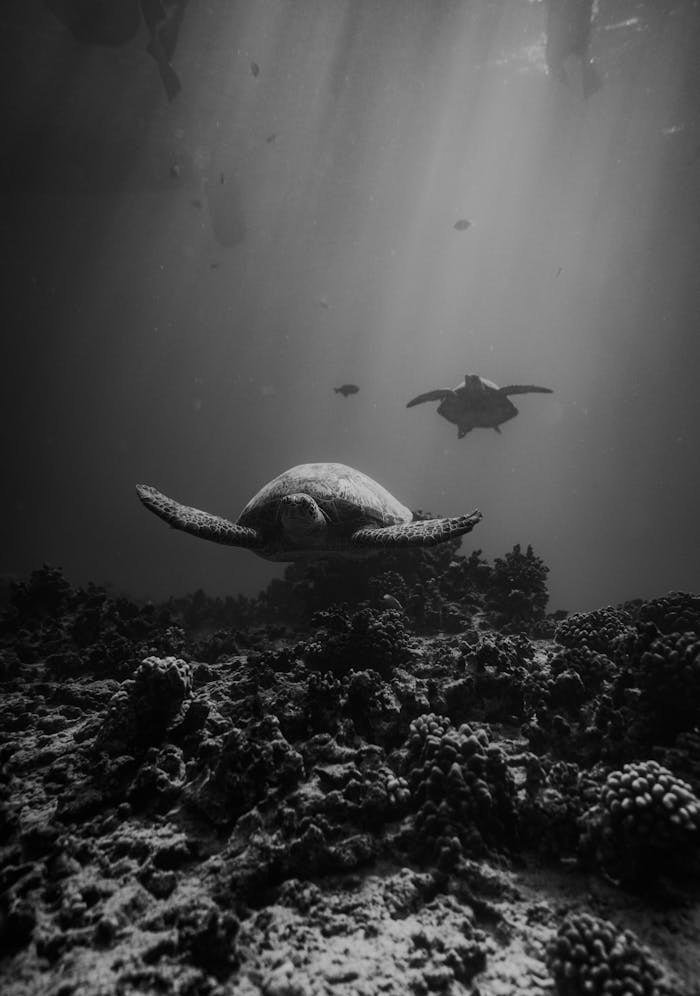
- 독특한 주둥이: 이름처럼 매의 부리(Hawk’s bill)와 같이 뾰족하고 갈고리 모양의 입을 가지고 있습니다. 이는 좁은 산호 틈새에 있는 먹이를 꺼내 먹기에 최적화된 형태입니다.
- 톱날 모양 등갑: 등갑의 가장자리가 톱날처럼 삐죽삐죽하게 튀어나와 있으며, 등갑 판들이 기와처럼 겹쳐져 있는 것이 특징입니다.
- 서식지: 전 세계 열대 및 아열대 해역의 산호초 지대에서 주로 발견됩니다.
3. 알면 알수록 신기한 사실 (Deep Dive)
- 유독성 식단: 주로 독성이 있는 **해면(Sponge)**을 먹고 삽니다. 다른 생물들은 먹지 못하는 독성이 있는 해면을 먹음으로써 경쟁을 피하며, 이 독소는 거북이의 지방에 축적되어 포식자로부터 자신을 보호하는 역할도 합니다.
- 비극적인 아름다움: 대모거북의 등갑은 ‘별갑(Tortoiseshell)’이라 불리며 예로부터 안경테나 장신구의 재료로 쓰였습니다. 이 아름다움 때문에 무분별한 포획이 이루어져 현재 심각한 멸종 위기(CR)에 처해 있습니다.
- 생태계 조절자: 해면의 개체 수를 조절하여 다른 산호들이 잘 자랄 수 있는 공간을 마련해 주는 산호초의 정원사 역할을 합니다.
4. 관찰 가이드 (Data Table)
| 항목 | 상세 내용 |
| 주요 먹이 | 해면(Sponge), 해파리, 말미잘 |
| 보존 등급 | 심각한 위기종 (Critically Endangered, IUCN) |
| 활동 시간 | 주행성 (산호초 주변에서 먹이 활동) |
5. ⚠️ 다이버 안전 및 에티켓 (Diver’s Alert)
- 식사 방해 금지: 대모거북이 산호를 쪼아 해면을 먹고 있을 때 너무 가까이 다가가 촬영하지 마세요. 예민한 생물이므로 방해를 받으면 식사를 멈추고 자리를 떠날 수 있습니다.
- 강력한 턱 주의: 부리 모양의 턱은 해면을 찢어낼 만큼 강력합니다. 호기심에 손가락을 근처에 대면 물릴 위험이 있으니 항상 안전 거리를 유지하세요.
- 등갑 촬영 매너: 대모거북의 등갑 무늬는 매우 화려해서 위에서 찍고 싶은 유혹이 크지만, 거북이의 시야 밖(뒤쪽)에서 갑자기 나타나면 거북이가 크게 놀랄 수 있습니다.
6. 보존 메시지
“대모거북은 장신구를 만들기 위해 희생된 비극적인 역사를 가지고 있습니다. 이제는 이들의 등갑이 장식품이 아닌 바다의 일부로 빛날 수 있도록 보호해야 합니다. 멸종 위기의 예술가를 지키는 것은 우리 다이버들의 의무입니다.”
🇺🇸 [Encyclopedia No. 32] Hawksbill Sea Turtle: The Intricate Artist of the Reef
1. Classification & Name
- Common Name: Hawksbill Sea Turtle
- Scientific Name: Eretmochelys imbricata
- Size: Carapace length typically 60cm to 90cm (24–35 inches); weighs about 50kg to 80kg (110–180 lbs).
2. Ecological Features: “The Turtle with a Raptor’s Beak”
- Distinctive Beak: True to its name, it has a sharp, hooked beak resembling that of a hawk. This allows them to reach into narrow crevices in the coral reef to find food.
- Serrated Shell: The edges of their carapace are serrated (saw-like), and the scutes (shell plates) overlap like tiles on a roof, distinguishing them from other sea turtles.
- Habitat: Primarily found in tropical and subtropical coral reefs worldwide.
3. Deep Dive: Fascinating Facts
- Toxic Diet: They specialize in eating sponges, many of which are toxic to other animals. By consuming these, they reduce competition and even store the toxins in their body fat as a defense mechanism.
- A Tragic Beauty: Their shells, known as “tortoiseshell,” have been prized for centuries for making eyeglasses and jewelry. This demand led to massive over-hunting, pushing them to Critically Endangered status.
- Reef Maintenance: By grazing on sponges, they prevent them from overgrowing and suffocating the coral, thus helping to maintain the health and biodiversity of the reef.
4. Observation Guide (Data Table)
| Item | Details |
| Primary Diet | Sponges, jellyfish, and sea anemones |
| Conservation Status | Critically Endangered (IUCN Red List) |
| Activity | Diurnal (Feeding among coral reefs) |
5. ⚠️ Diver’s Alert (Safety & Etiquette)
- Do Not Interrupt Feeding: If a hawksbill is busy pecking at sponges, avoid getting too close for a photo. They are shy creatures, and your presence may cause them to stop eating and flee.
- Beware of the Powerful Jaw: Their hawk-like beak is strong enough to tear through tough sponges. Never put your fingers near their mouth, as they could bite if they feel threatened or mistake you for food.
- Respectful Approach: While their shell patterns are stunning, avoid approaching directly from behind or above. Sudden appearances in their blind spot can cause significant stress.
6. Conservation Message
“The Hawksbill turtle has a tragic history of being hunted for its shell. Today, we must ensure their beauty remains a part of the living ocean rather than a fashion accessory. Protecting this endangered artist is a responsibility for every diver.”