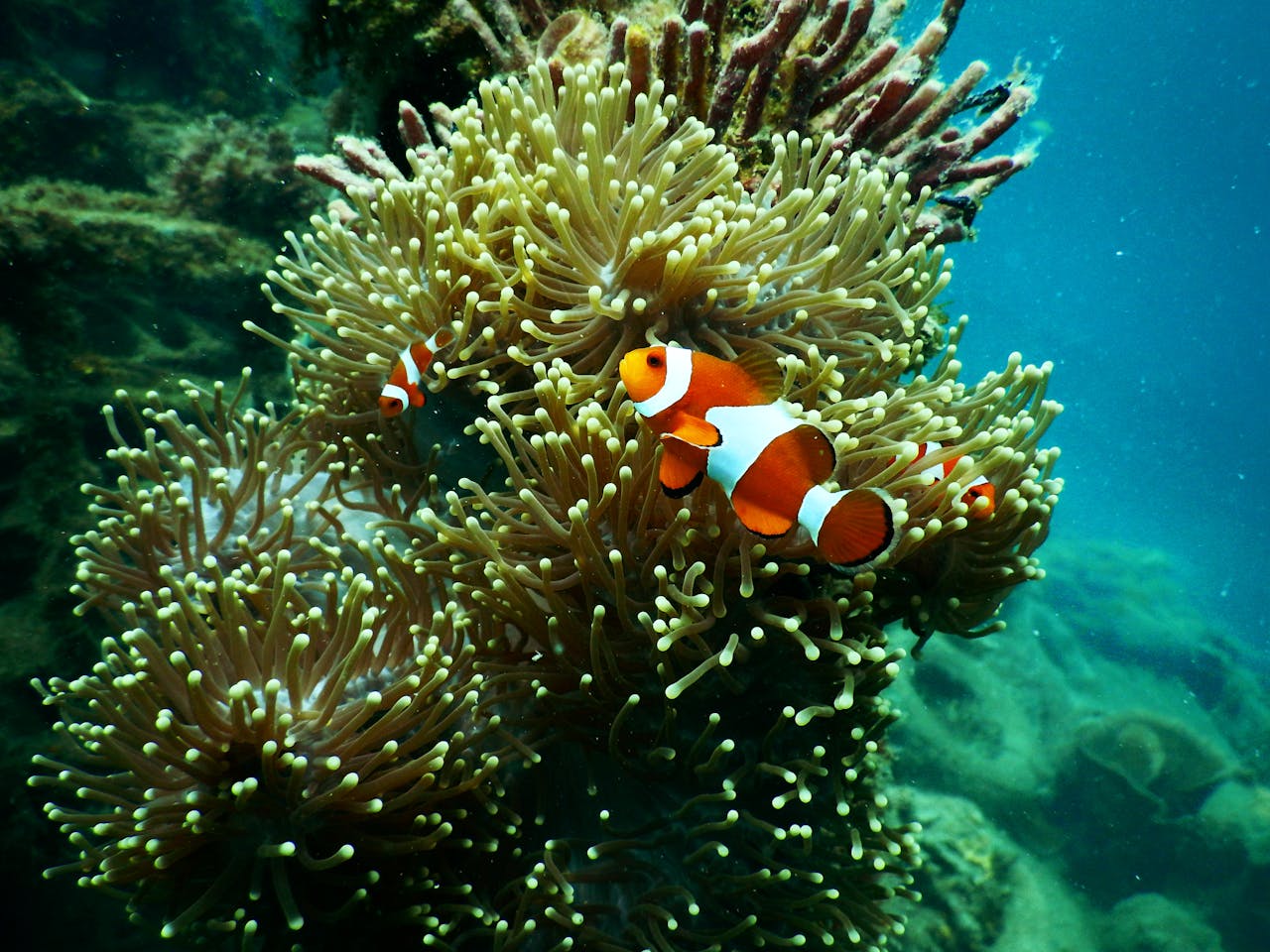
1. 기본 분류 및 명칭
- 국문명: 나비고기
- 영문명: Butterflyfish
- 학명: Chaetodontidae
- 크기: 대부분 12cm ~ 22cm 내외 (일부 종은 30cm까지 성장)
2. 생태적 특징: “산호초 사이를 누비는 화려한 날개”
- 납작한 몸: 몸이 옆으로 아주 납작해서 좁은 산호 틈 사이를 자유자재로 통과하며 숨거나 먹이를 찾기에 유리합니다.
- 뾰족한 입: 산호 폴립이나 바위 틈의 작은 벌레를 잡아먹기 좋게 입이 핀셋처럼 툭 튀어나와 있습니다.
- 서식지: 전 세계의 따뜻한 열대 및 아열대 산호초 지대에 주로 서식합니다.
3. 알면 알수록 신기한 사실 (Deep Dive)
- 가짜 눈의 속임수: 많은 나비고기가 꼬리 부분에 커다란 검은 점(가짜 눈)을 가지고 있습니다. 포식자가 어느 쪽이 머리인지 헷갈리게 만들어 도망갈 시간을 벌기 위한 전략입니다.
- 한결같은 사랑: 나비고기 중 많은 종은 평생 한 마리의 배우자와만 함께 지내는 ‘일해일처제’ 습성을 가지고 있습니다. 사진을 찍을 때 두 마리가 나란히 헤엄치는 모습을 자주 볼 수 있는 이유입니다.
- 밤의 변신: 밤이 되면 포식자의 눈을 피하기 위해 몸의 화려한 색상을 어둡게 바꾸거나 무늬를 다르게 변형시켜 산호 사이에 숨어 잠을 잡니다.
4. 관찰 가이드 (Data Table)
| 항목 | 상세 내용 |
| 주요 먹이 | 산호 폴립, 작은 무척추동물, 해조류 |
| 수명 | 야생에서 약 7년 ~ 10년 |
| 활동 시간 | 주행성 (낮에 활발하게 활동하며 밤에는 휴식) |
5. 보존 메시지
“나비고기는 산호초의 상태를 알려주는 지표 생물입니다. 나비고기가 사라진다는 것은 그들의 먹이이자 집인 산호초가 병들고 있다는 신호입니다. 우리가 이들의 화려한 군무를 계속 보기 위해서는 산호초 보호가 필수적입니다.”
🇺🇸 [Encyclopedia No. 04] Butterflyfish: The Winged Beauty of the Reef
1. Classification & Name
- Common Name: Butterflyfish
- Scientific Name: Chaetodontidae
- Size: Generally 12cm to 22cm (4.7 to 8.7 inches); some species reach 30cm.
2. Ecological Features: “Vibrant Wings Amidst Corals”
- Compressed Body: Their thin, disc-like bodies allow them to maneuver effortlessly through narrow crevices in the coral reef to hide or hunt.
- Protruding Snout: They have pointed, tweezer-like mouths perfectly adapted for picking coral polyps or small invertebrates out of tiny holes.
- Habitat: Primarily found in warm tropical and subtropical coral reefs across the globe.
3. Deep Dive: Fascinating Facts
- The “False Eye” Trick: Many species feature a large dark spot (ocellus) near their tail. This mimics an eye, confusing predators about which end is the head and giving the fish a chance to escape.
- Devoted Partners: Many butterflyfish are monogamous and stay with the same mate for years. This is why you often see them swimming in pairs across the reef.
- Nighttime Camouflage: To avoid predators at night, they dull their brilliant daytime colors and often develop dark patches or different patterns to blend into the shadows of the reef.
4. Observation Guide (Data Table)
| Item | Details |
| Primary Diet | Coral polyps, small invertebrates, and algae |
| Lifespan | Approximately 7 to 10 years in the wild |
| Activity | Diurnal (Active during the day, resting at night) |
5. Conservation Message
“Butterflyfish are considered ‘indicator species’ for reef health. Their absence often signals that the coral ecosystem is in decline. To ensure these vibrant dancers continue to thrive, we must commit to preserving our coral reefs.”